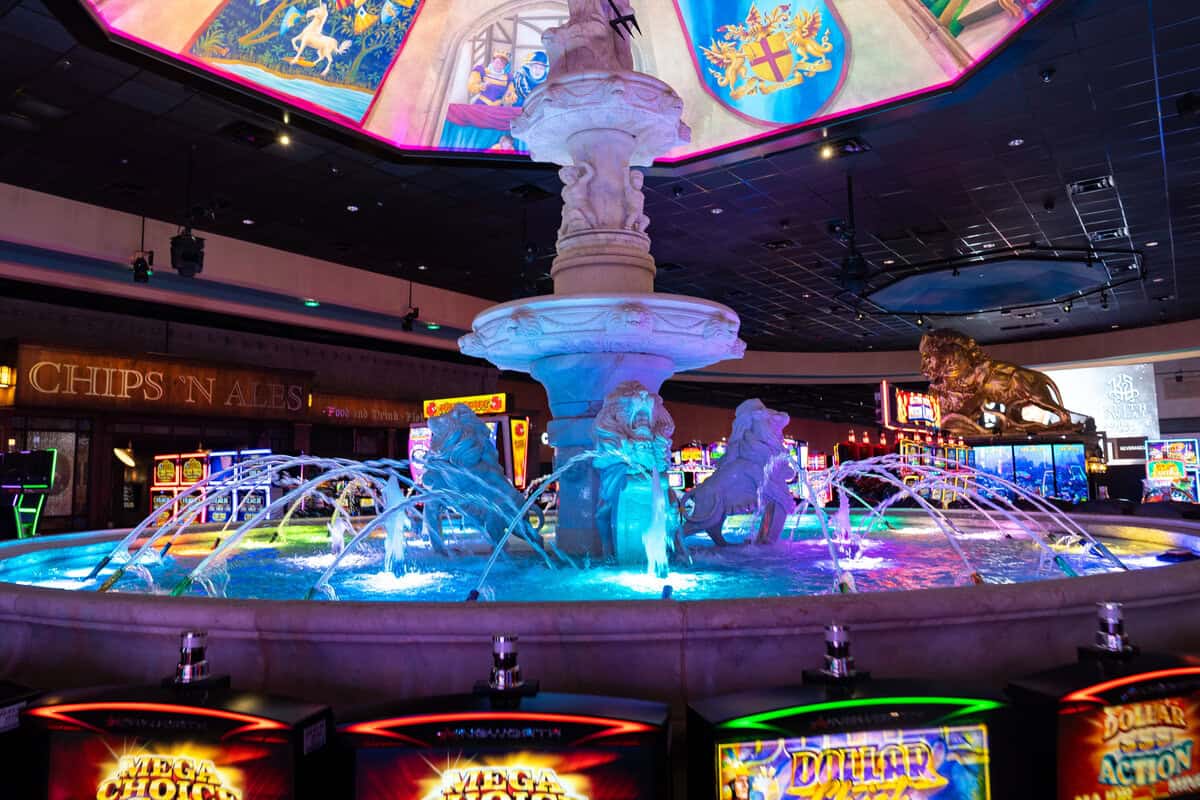
The Global Appeal of Worldwide Casinos
Casinos have long captivated people across the globe, offering a unique blend of excitement, suspense, and the potential for financial gain. The appeal of worldwide casino worldwide online casino games has surged in recent years, influenced by the rise of technology and shifting cultural attitudes towards gambling. In this article, we will explore the rich history, cultural significance, and modern evolution of casinos around the globe, diving deep into both traditional venues and the expansive world of online gambling.
A Brief History of Casinos
The concept of gambling dates back thousands of years, with evidence found in ancient artifacts and texts from various cultures. Early forms of gambling included betting on the outcomes of games and events, with examples seen in ancient China, Rome, and Greece. However, the modern casino as we know it today began to take shape in the 17th century in Italy. The term ‘casino’ itself is derived from the Italian word for ‘little house,’ originally used to denote a small clubhouse for social gatherings.
The first official casino, the Ridotto, opened its doors in Venice in 1638, providing a regulated environment for gambling and entertainment. This model would influence the establishment of casinos across Europe and beyond, flourishing through the 18th and 19th centuries, particularly in cities like Monte Carlo, Baden-Baden, and Las Vegas.
The Cultural Significance of Casinos
Casinos are more than just venues for gambling; they embody a particular cultural ethos and have become synonymous with entertainment, luxury, and escapism. In regions like Las Vegas, casinos have transformed the desert landscape into a bustling hub of tourism, attracting millions annually with extravagant shows, top-tier dining, and immersive experiences. Casinos often reflect local culture, from the opulence of Las Vegas resorts to the refined elegance of Monte Carlo’s casinos.
In many cultures, gambling has been viewed through varying lenses—sometimes as a vice, sometimes as a legitimate form of entertainment. In the United States, for example, the rise of slot machines and gaming tables in the 20th century transformed the perception of casinos, pushing them into the mainstream and further embedding them in popular culture. Films, music, and literature frequently explore themes of luck, chance, and the allure of risk, highlighting the deeper psychological elements of gambling.
Modern Casino Developments
Land-Based Casinos
Today, land-based casinos are sprawling resorts, often equipped with hotels, theaters, and upscale restaurants. They function as comprehensive entertainment complexes where guests can enjoy more than just gaming. In Las Vegas, iconic casinos such as the Bellagio, Caesars Palace, and the Venetian create undeniable allure through lavish architecture, themed experiences, and vibrant nightlife.
Globally, the landscape of land-based casinos is changing due to increased competition, economic conditions, and tighter regulations. Countries like Singapore and Japan are investing heavily in integrated resorts to attract tourists and stimulate their economies. The Marina Bay Sands in Singapore and the upcoming casinos in Japan are prime examples of how countries are leveraging the casino industry to drive economic growth.
Online Casinos: The Digital Revolution
The advent of the internet has revolutionized the gambling industry, giving rise to online casinos that allow players to engage in their favorite games anytime, anywhere. The accessibility of online gambling has democratized the casino experience, providing a wide array of games, from classic table games to innovative slot machines and live dealer experiences.
Online casinos operate 24/7, catering to a global audience. Players can enjoy a multitude of options, including poker, blackjack, and sports betting, often with bonuses and promotions to entice new users. The rise of mobile technology has further fueled this trend, allowing players to gamble on their smartphones and tablets, thus continuously expanding the reach of online casinos.
The Future of Worldwide Casinos
Looking ahead, the future of worldwide casinos appears promising but is also fraught with challenges. As technology continues to evolve, casinos must adapt to maintain their appeal in a rapidly changing landscape. Innovations such as virtual reality, augmented reality, and blockchain technology hold tremendous potential to reshape the gambling experience. VR casinos could provide immersive environments where players feel as though they are seated at a real gaming table, while blockchain could enhance transparency and security in online transactions.
Another pressing issue is the ongoing discourse around responsible gambling and regulation. As more individuals engage with casinos, there is a growing need for protective measures to prevent problem gambling and protect vulnerable populations. Industry stakeholders are increasingly investing in initiatives aimed at promoting responsible gaming, ensuring that the thrill of gambling does not come at the cost of players’ well-being.
Conclusion
The appeal of worldwide casinos remains strong, as they continue to serve as centers of entertainment, socialization, and excitement. From the glamorous floors of Las Vegas to the emerging markets in Asia, the casino industry is poised for growth and evolution. With the fusion of modern technology and traditional gaming experiences, players can expect a vibrant future filled with opportunities and challenges.
As you explore the world of casinos, whether in person or online, remember the rich history, cultural significance, and ethical considerations that define this extraordinary industry. The worldwide casino experience is not merely about luck; it’s about tradition, innovation, and the unending quest for entertainment.